

The Ministry of Environment, Forest and Climate Change has notified the Solid Waste Management Rules, 2026, which will come into force from 1 April 2026 and fundamentally reshape how cities, industries and institutions handle waste.
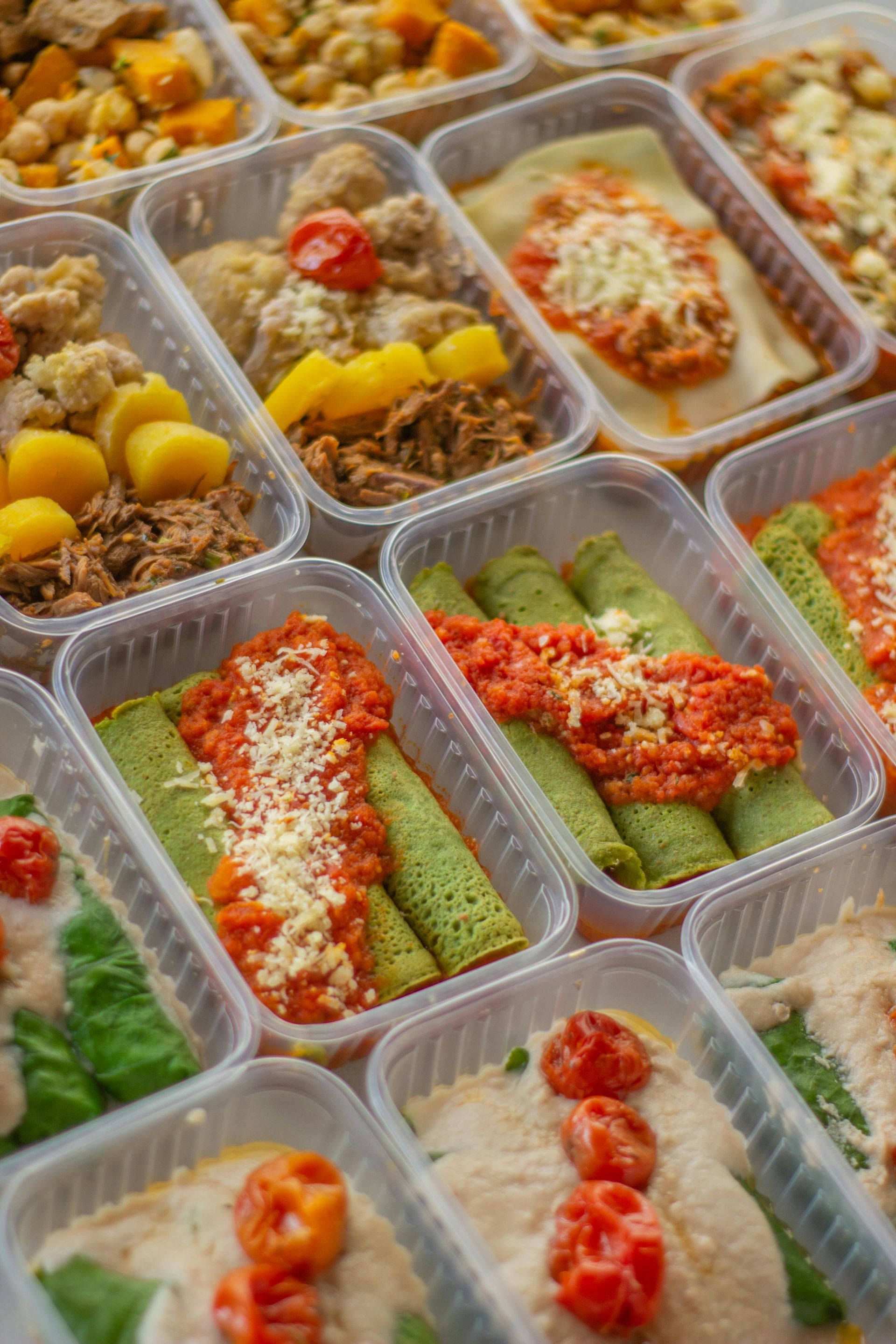
The sustainable plastic packaging sector in India is at a pivotal moment. Regulatory mandates, technological innovation, and collaborative efforts are driving progress, but overcoming compliance and implementation challenges will be key to realizing a truly circular economy.
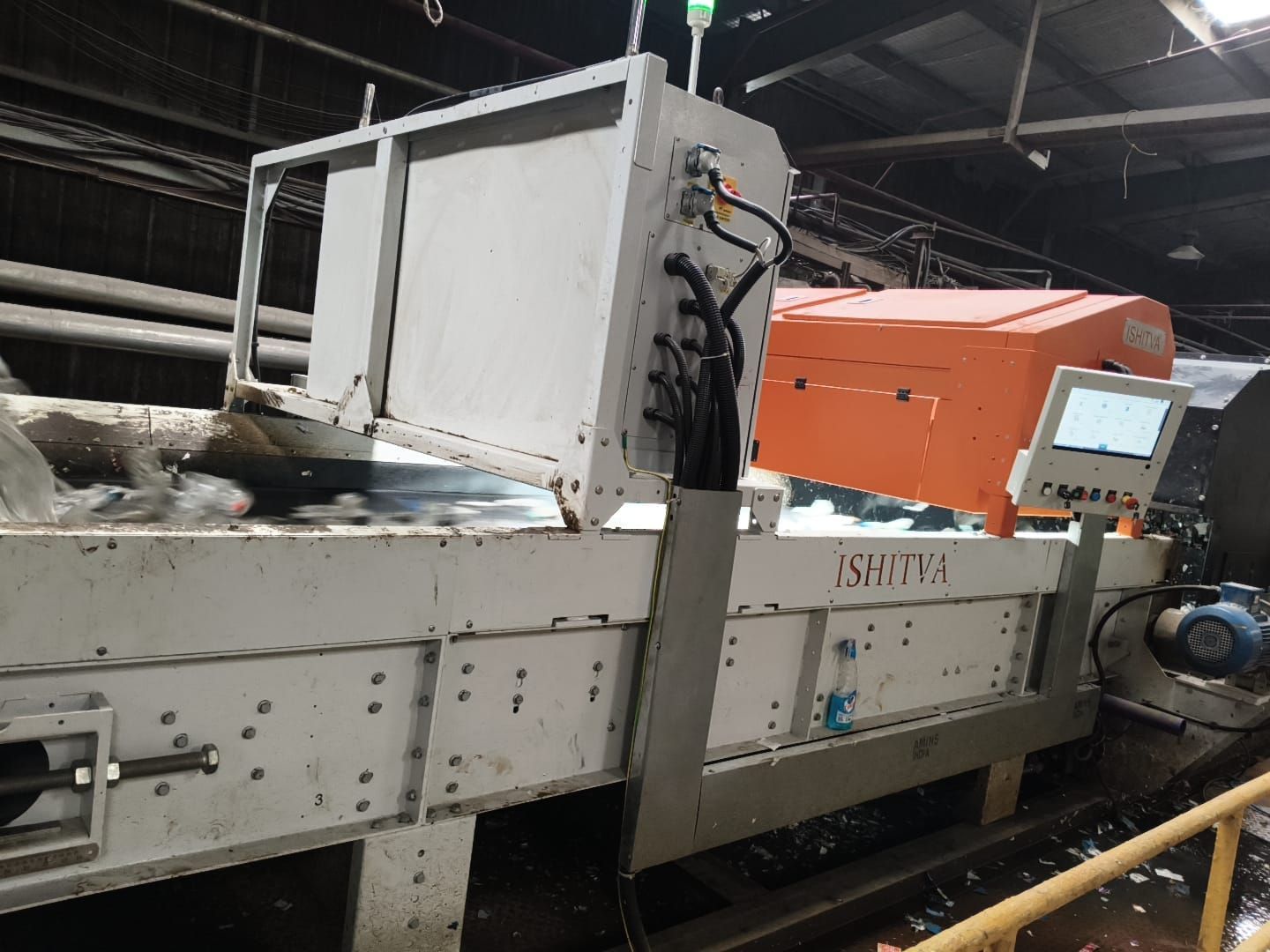
Ishitva Tech and RiBotl are shaping the future of waste management by integrating advanced AI and Machine Learning (ML) sorting systems into practical recycling operations. Learn more about this collaboration.
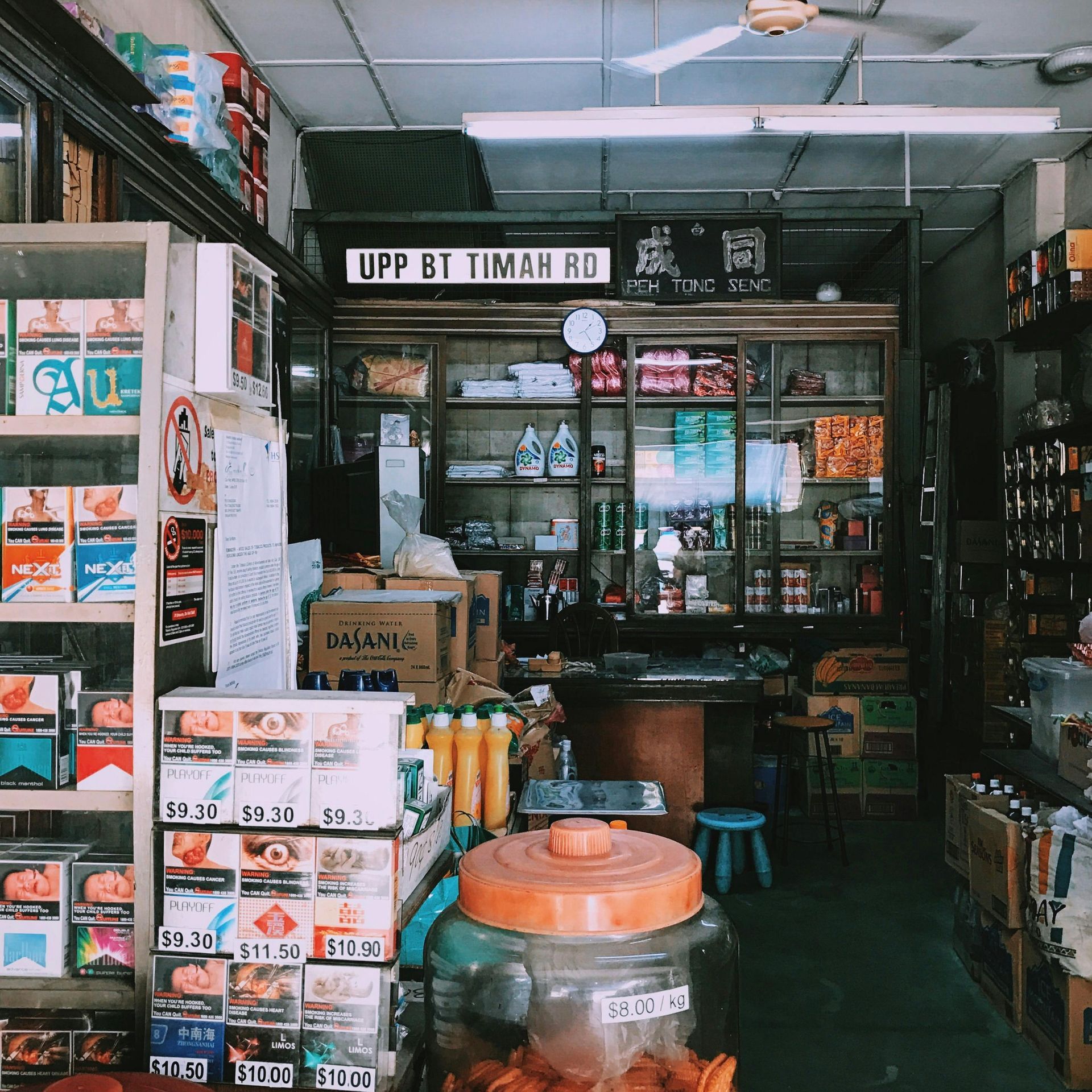
At Ribotl, we believe in a sustainable future, which is where rPET comes in. By utilizing post-consumer recycled plastic for food packaging, we not only reduce waste but also maintain quality and safety. It's a smart choice that supports a healthier planet while keeping your products fresh!

Ready to Make a Quantifiable Impact?
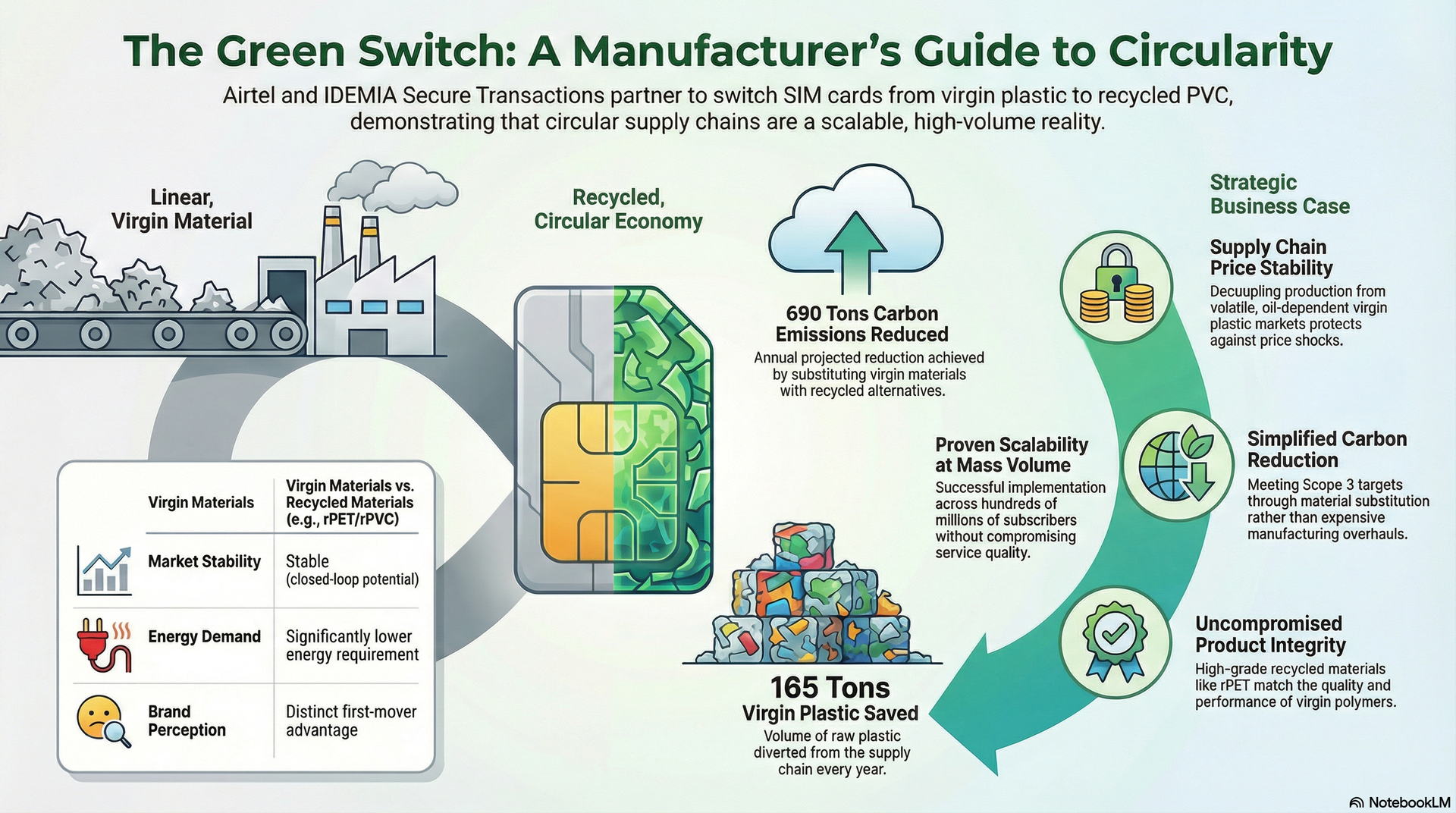
Meeting your environmental mandates and enhancing your brand's reputation doesn't have to be complicated. The next generation of sustainable packaging is here, and its benefits are backed by clear data.
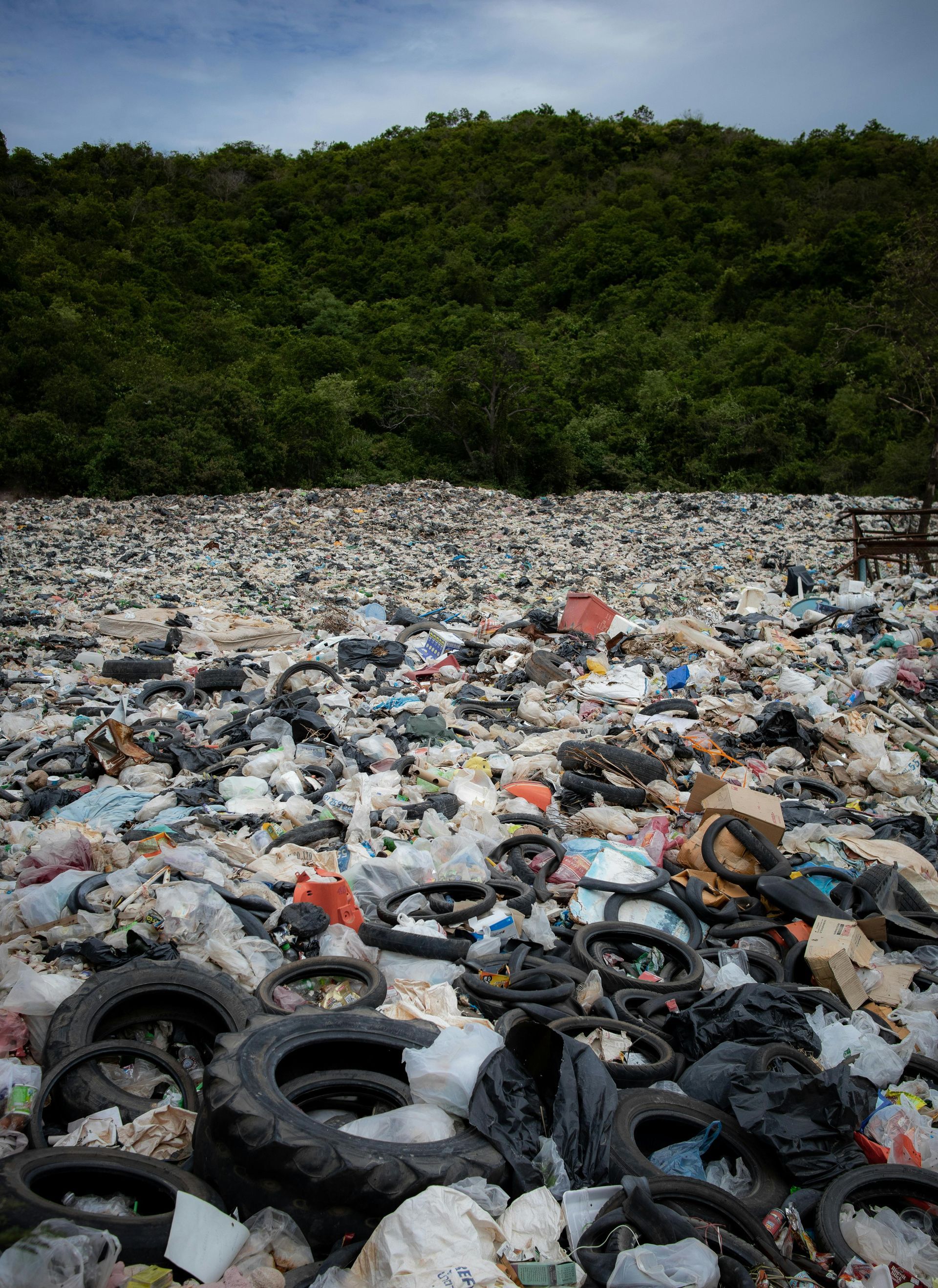
Embracing a zero waste lifestyle is a powerful way to contribute to a healthier planet and create a more sustainable future. By taking small, consistent steps toward reducing waste, you can make a meaningful difference. Remember, the goal isn't perfection, but progress. Start today, and join the growing community of individuals committed to living lightly on the Earth.

With packaging accounting for 36% of global plastic production, transitioning to recycled plastic packaging offers a practical and impactful solution. This blog explores the benefits of using recycled plastic in packaging and how it contributes to sustainability efforts.

In the European Union (EU), the packaging and packaging waste regulations play a crucial role in promoting sustainable practices and reducing waste. In this comprehensive guide, we will delve into the EU's packaging and packaging waste regulation, providing businesses with a clear understanding of their responsibilities and the best solutions to manage packaging waste.
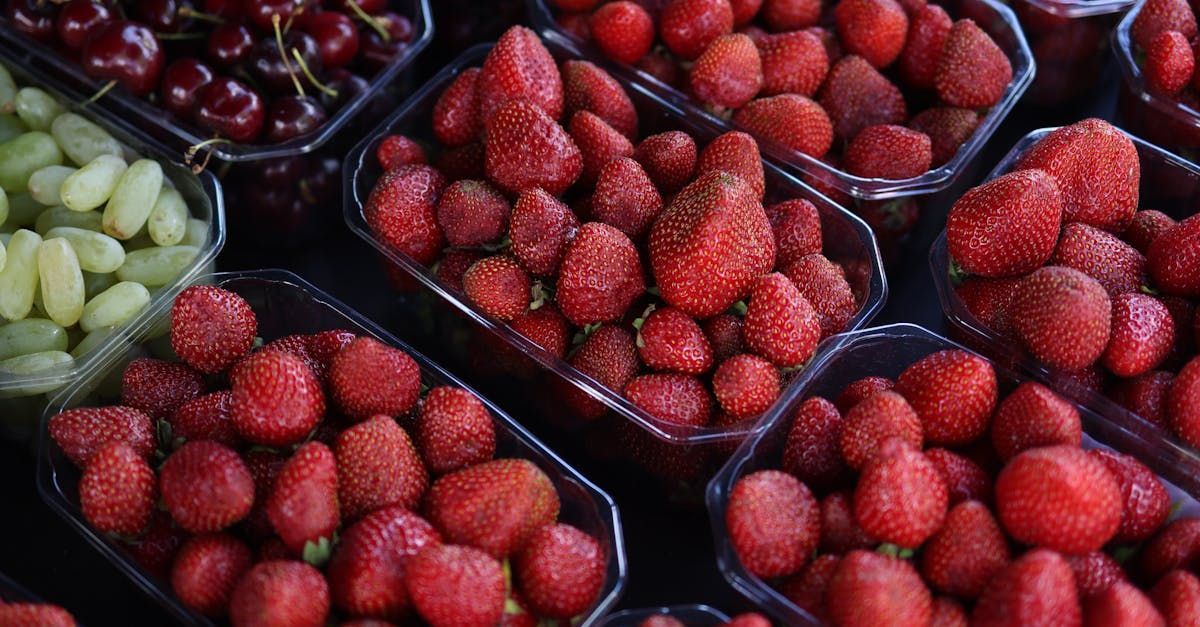
As consumers become increasingly conscious of the environmental impact of their choices, sustainable packaging is gaining momentum as a key trend in the industry.
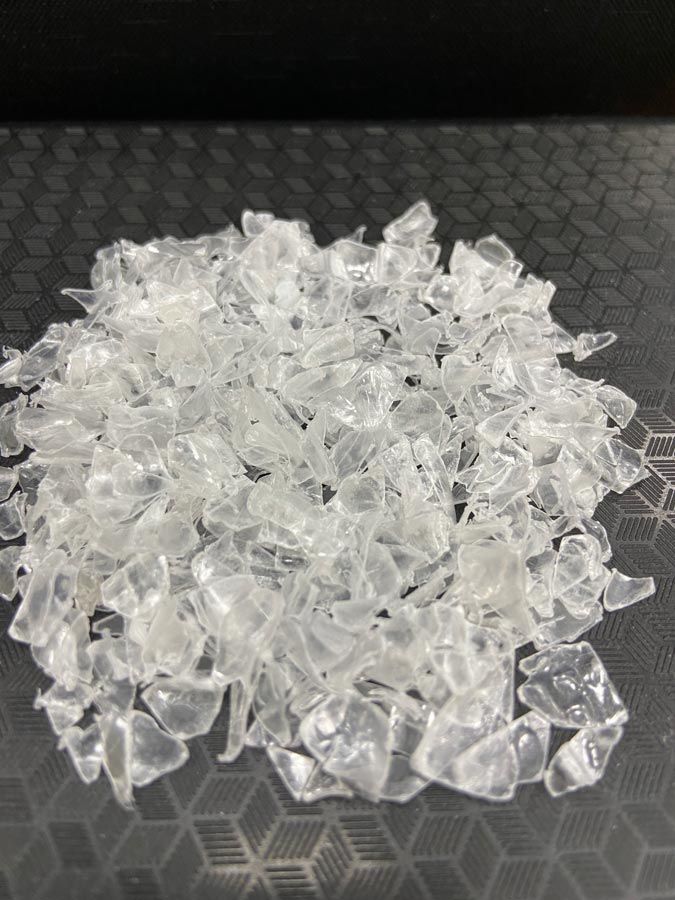
rPET (recycled polyethylene terephthalate) offer several significant advantages over virgin PET granules: