
Solid Waste Management Rules, 2026 - Its potential impact.
February 4, 2026

Exciting policy news for India’s waste management ecosystem. 

The Ministry of Environment, Forest and Climate Change has notified the Solid Waste Management Rules, 2026, which will come into force from 1 April 2026 and fundamentally reshape how cities, industries and institutions handle waste.


A few highlights that stand out for the waste management industry:

  • Four-stream segregation at source made mandatory: wet, dry, sanitary and special care waste. This creates cleaner feedstock, better recycling economics and less dependence on landfills.
  • Clear accountability for Bulk Waste Generators (BWGs) and the new Extended Bulk Waste Generator Responsibility (EBWGR), pushing large campuses, institutions, commercial buildings and residential complexes to process wet waste on-site or obtain EBWGR certificates.
  • Stronger “polluter pays” enforcement with environmental compensation for non-compliance and tighter oversight via a Centralised Online Portal that tracks waste generation, collection, transport, processing, disposal and legacy waste remediation.
  • Formal recognition and integration of Material Recovery Facilities (MRFs) plus push for industrial use of Refuse Derived Fuel (RDF), with cement and waste-to-energy plants mandated to steadily increase RDF substitution.
  • Stricter restrictions on landfilling, higher landfill fees for unsegregated waste, and time-bound biomining/bioremediation of legacy dumpsites.
  • Special provisions for hilly areas and islands, including user fees on tourists and decentralised processing by hotels and restaurants.


For operators, innovators and investors in the waste management space, this is a clear signal: compliance, traceability and circularity are no longer optional—they are becoming the default operating model.


If you’re working in collection, processing, technology, or circular economy solutions across India, now is the time to align systems with the 2026 framework and build capacity for four-stream segregation, decentralised processing and digital reporting.

Ribotl's view:

From Ribotl Solutions’ point of view, these rules are both a compliance challenge and a big growth opportunity.


First, mandatory four-stream segregation at source creates a more reliable supply of clean, segregated material.


For a company like Ribotl, this improves the quality of feedstock going into your systems, increases recycling and recovery efficiency, and makes many tech-enabled models (smart collection, data-driven routing, automated sorting, etc.) more viable. It also allows you to build service offerings specifically around segregation support, training and audits for clients who now have a legal obligation but limited capacity.


Second, the clear definition of Bulk Waste Generators and the new Extended Bulk Waste Generator Responsibility (EBWGR) effectively expands your customer base and the size of each account.


Large campuses, institutions, commercial complexes and big residential societies must now process wet waste on-site “as far as possible” or obtain EBWGR certificates. That directly opens up demand for on-site processing solutions, design–build–operate (DBO) models, AMC contracts, and performance-linked services that Ribotl can provide, package and finance for clients.


Third, the centralised online portal and mandatory reporting/audits shift the industry towards data, traceability and compliance.


As a waste management company, this is a chance to differentiate as a “compliance-ready” partner: digital tracking of collection and transport, automated reporting for clients, real-time dashboards on segregation, diversion, and legacy waste projects. Ribotl can position its tech and operations as a turnkey way for cities and generators to stay compliant with SWM 2026 without building their own systems from scratch.


Fourth, the push for Refuse Derived Fuel (RDF) and tighter restrictions on landfilling change the economics in your favour.


As industries are mandated to replace a growing share of their solid fuel with RDF, there is a stable, policy-backed demand for non-recyclable high-calorific fractions that waste management companies can supply. At the same time, higher landfill fees for unsegregated waste make your processing and recovery solutions financially more attractive compared to “business as usual” dumping.


Finally, provisions for hilly areas, islands and peri‑urban rural regions widen the geographic scope for projects.


User fees on tourists, mandated decentralised processing by hotels/restaurants, and special attention to peri‑urban areas mean more contracts and PPP formats where waste management companies can bring modular plants, decentralised systems and technology-led monitoring.

Conclusion:


SWM Rules 2026 accelerate a transition to segregation-first, decentralised, digitally monitored and circular systems. For Ribotl Solutions, that means: invest now in compliance expertise, digital reporting capabilities and scalable on-site/off-site processing models, and you’re well placed to be a preferred partner for both Bulk Waste Generators and local bodies under the new regime.

Blue SIM card with red shadow on black background.
By Team Ribotl January 28, 2026
Sustainability was once viewed as a "nice-to-have"—a line item for the CSR report. Today, it is a definitive metric of operational efficiency and market relevance.

Prepared meals in plastic containers: lasagna, crepes, and other dishes.
By Team Ribotl September 17, 2025
The sustainable plastic packaging sector in India is at a pivotal moment. Regulatory mandates, technological innovation, and collaborative efforts are driving progress, but overcoming compliance and implementation challenges will be key to realizing a truly circular economy.
Reshaping the future of waste management with advanced AI and Machine Learning (ML)
July 29, 2025
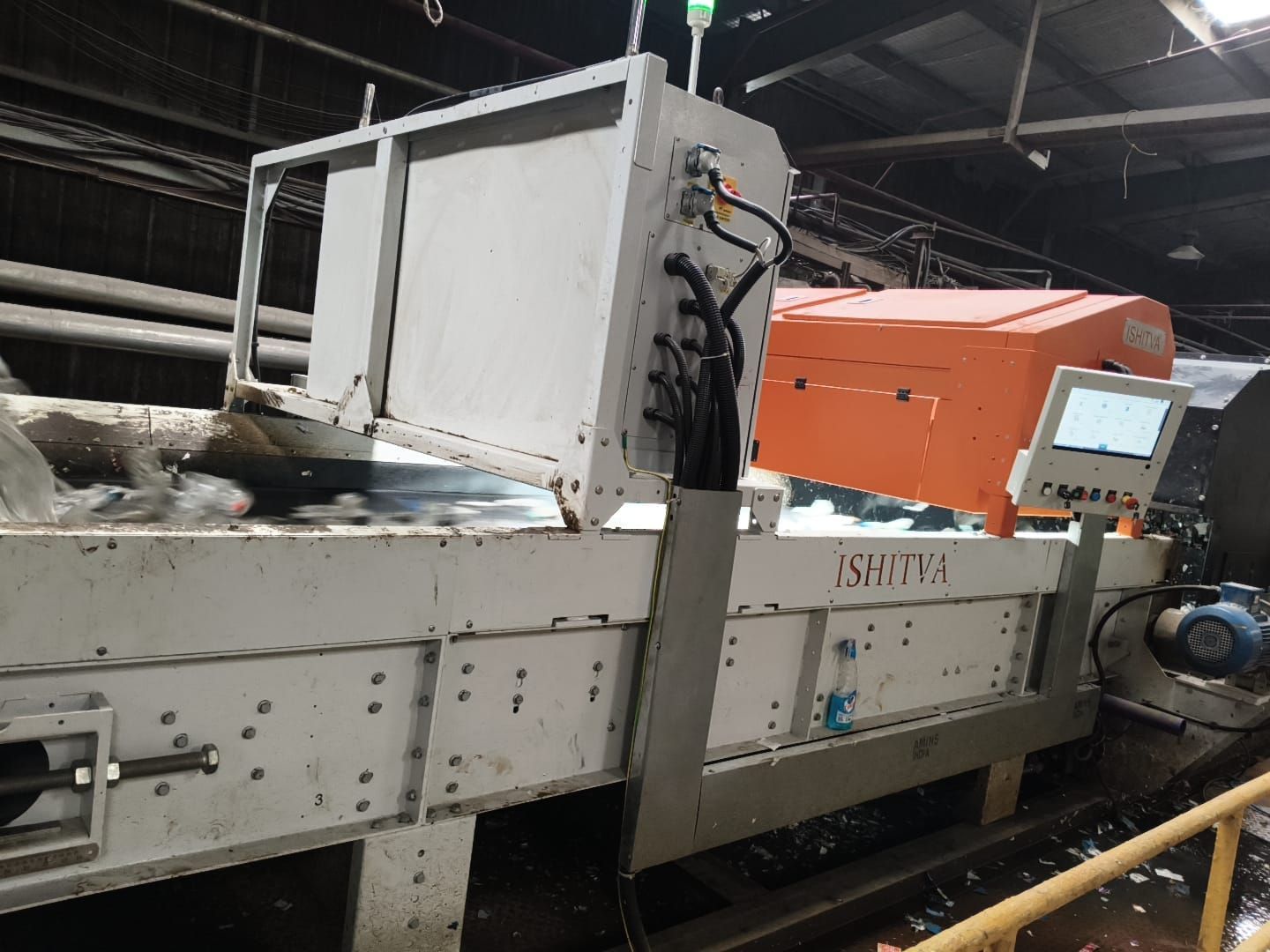
Ishitva Tech and RiBotl are shaping the future of waste management by integrating advanced AI and Machine Learning (ML) sorting systems into practical recycling operations. Learn more about this collaboration.
What is rPET and Its Impact on Food Packaging: A Deep Dive
July 16, 2025
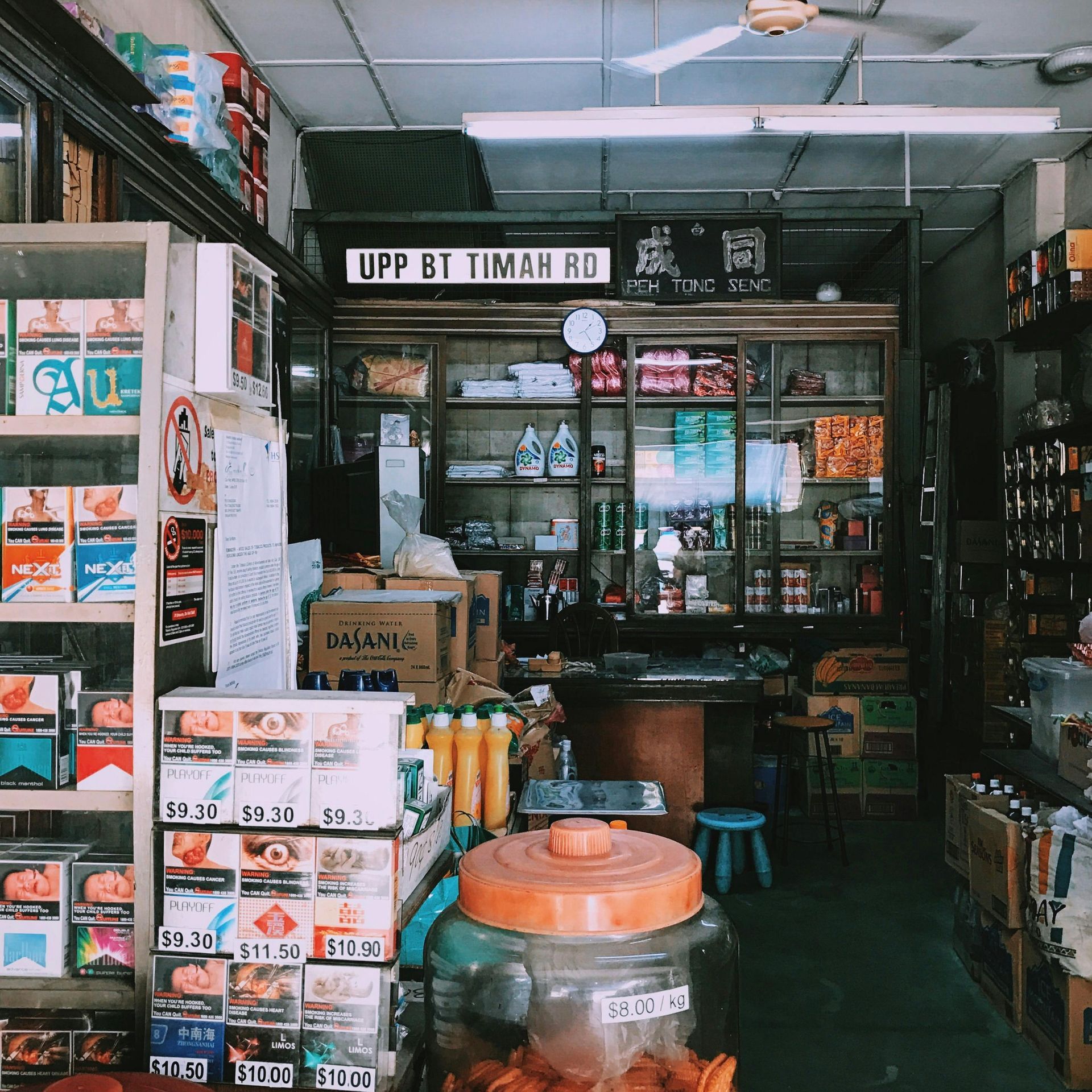
At Ribotl, we believe in a sustainable future, which is where rPET comes in. By utilizing post-consumer recycled plastic for food packaging, we not only reduce waste but also maintain quality and safety. It's a smart choice that supports a healthier planet while keeping your products fresh!

Beyond the Bin: The Data-Backed Case for rHDPE in Sustainable Packaging
June 25, 2025
Ready to Make a Quantifiable Impact? Meeting your environmental mandates and enhancing your brand's reputation doesn't have to be complicated. The next generation of sustainable packaging is here, and its benefits are backed by clear data.
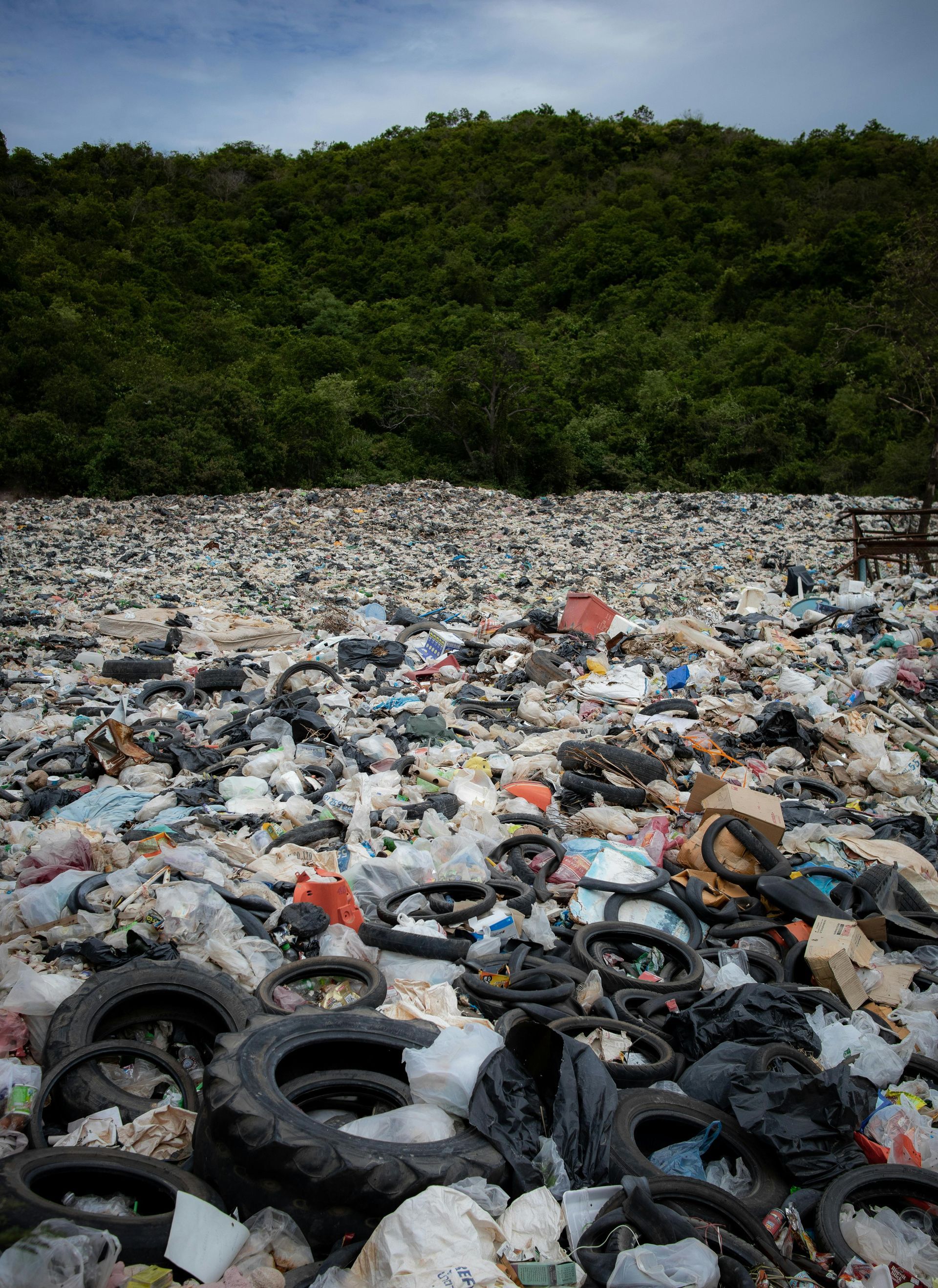
April 6, 2025
Embracing a zero waste lifestyle is a powerful way to contribute to a healthier planet and create a more sustainable future. By taking small, consistent steps toward reducing waste, you can make a meaningful difference. Remember, the goal isn't perfection, but progress. Start today, and join the growing community of individuals committed to living lightly on the Earth.

March 11, 2025
With packaging accounting for 36% of global plastic production, transitioning to recycled plastic packaging offers a practical and impactful solution. This blog explores the benefits of using recycled plastic in packaging and how it contributes to sustainability efforts.

PPWR
February 5, 2025
In the European Union (EU), the packaging and packaging waste regulations play a crucial role in promoting sustainable practices and reducing waste. In this comprehensive guide, we will delve into the EU's packaging and packaging waste regulation, providing businesses with a clear understanding of their responsibilities and the best solutions to manage packaging waste.
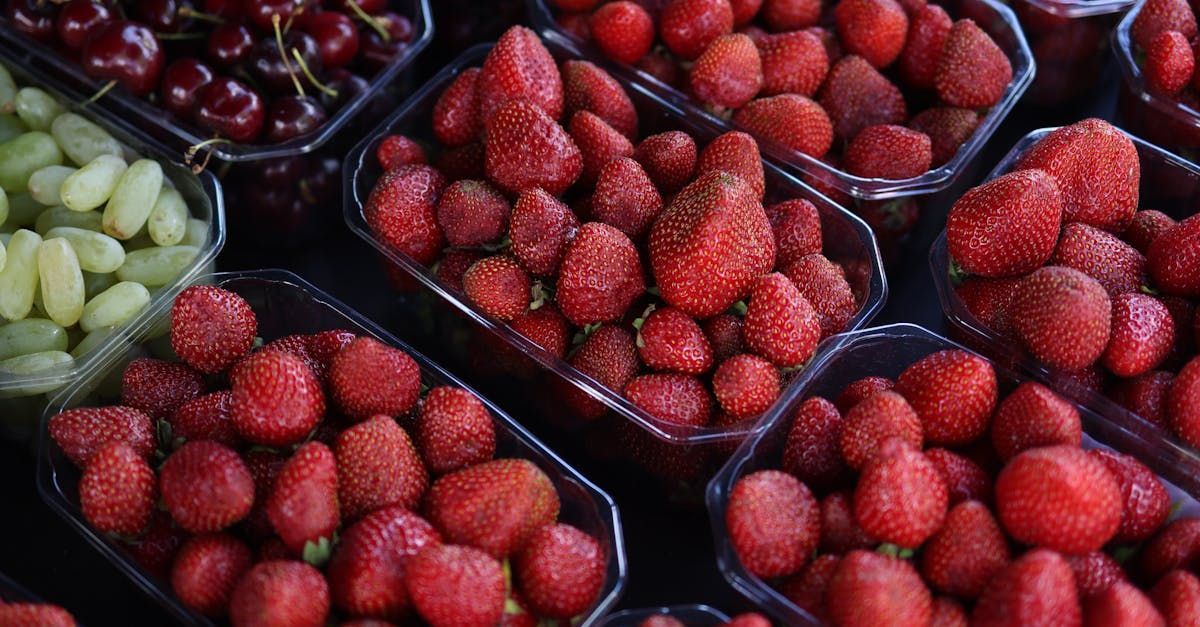
sustainable packaging
January 19, 2025
As consumers become increasingly conscious of the environmental impact of their choices, sustainable packaging is gaining momentum as a key trend in the industry.
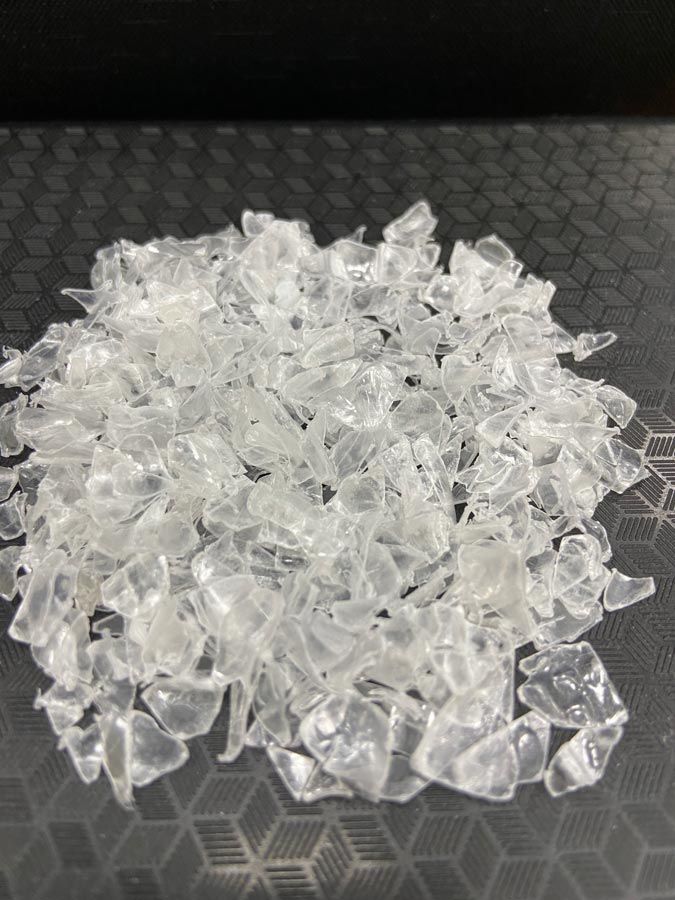
A pile of clear plastic chips on a black surface.
November 19, 2024
rPET (recycled polyethylene terephthalate) offer several significant advantages over virgin PET granules:
Show More